
The Alpes-Maritimes department has opened a new phase of preparation for the 2030 Winter Olympic and Paralympic Games. The founding meeting of the Departmental Strategic Committee was held in Nice, bringing together national and local officials in charge of organizing an event expected to play a major role in the region.
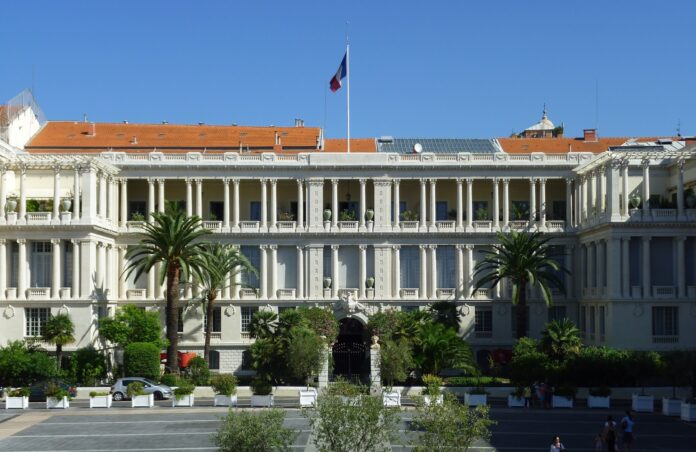
The Palais des Rois Sardes served as the setting for the establishment of the Departmental Strategic Committee dedicated to the 2030 Winter Games. This entity brings together representatives from the government, the organizing committee, and local authorities. The meeting involved Edgar Grospiron, President of the Organizing Committee for the Olympic and Paralympic Games, Pierre-Antoine Molina, interministerial delegate for the Games, as well as regional and departmental leaders. The presence of local elected officials such as Christian Estrosi, Charles Ange Ginésy, and Renaud Muselier highlighted the desire to embed the Games’ preparation in a broad territorial dynamic.
The department will host twenty events in Nice, spread across hockey, para hockey, figure skating, short track, curling, and wheelchair curling. These competitions will constitute a significant portion of the overall ticket sales. The program also includes the construction of an Olympic village and a multi-sports complex, two key facilities for hosting athletes and delegations.
The meeting addressed all the necessary topics for the project’s implementation. The mapping of venues, the sports program, and the ceremonies formed an initial framework for discussion. The torch relay is among the elements to be planned, with a focus on its integration within the region.
Infrastructure was a major topic of discussion. Participants reviewed the sites to be built, the sites to be developed, the management of works, and associated timelines. Mobility issues were also integrated into this reflection, considering the expected flows during the competitions and the constraints inherent to an event of this scale.
A still unclear timeline, but clear objectives
The engagement of economic, cultural, and educational stakeholders was also discussed. The Games aim to fall within a collective dynamic, with participation from youth, businesses, and professional sectors. The cultural olympiads will offer a complementary space for expression alongside the sports events, with a program to be developed in collaboration with local stakeholders.
Territorial governance is another structuring aspect. The strategic committee will operate under the authority of the prefect, with the establishment of working groups tasked with advancing each theme. This organization aims to ensure continuous coordination between state services, local authorities, and the organizing committee.
The objectives assigned to this entity are clear: ensure the successful delivery of the Games, integrate social and environmental requirements, ensure appropriate security levels, and foster broad public support. The department is at the heart of the arrangement, with a particular responsibility linked to the volume of events hosted and the associated visibility.
In conclusion of the meeting, Laurent Hottiaux, prefect of Alpes-Maritimes, called for all partners to unite their efforts for the success of this global event and to make these Games a shared and sustainable regional project that will showcase our country. This statement marks the opening of an operational phase where each stakeholder will need to contribute to the construction of a common project.


