
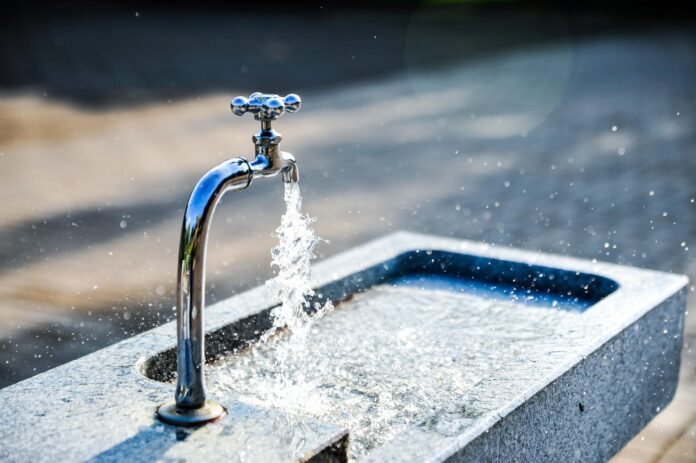
As of this Friday, August 14, 100 municipalities are affected by water restrictions. Cumulative rainfall deficits combined with very high temperatures are pushing the new prefect of the Alpes-Maritimes to preserve the available resources in the department.
Eighteen new municipalities are subject to water restriction measures as of this Friday, August 14. The arrival of 650,000 tourists over the August 15 weekend is deeply concerning the water resource committee. The latter was convened yesterday, Thursday, August 13, by the new prefect of the Alpes-Maritimes, Jean-Marie Girier.
It was decided that municipalities in the Loup basin are placed on heightened alert, and those in the lower Roya and Artuby on alert. Regarding the Cagne basin, five municipalities remain on maximum crisis alert. The symbolic threshold of 100 municipalities has been reached.
Depending on the areas, restrictions are intensifying:
- The 49 municipalities on alert: car and watercraft washing, private swimming pool filling, and daytime watering (8 a.m. to 8 p.m.) and washing the exterior of one’s home with water are prohibited.
- The 46 municipalities on heightened alert: a ban on watering day and night is added.
- The five municipalities in crisis: all types of watering and refilling swimming pools are prohibited.
“The best leverage is individual behavior”
The climatic situation in the department has entered a critical phase according to Hélène Correa, forecasting and climatology manager at Météo-France. Noting that July 2026 was the warmest month, “not only of all the Julys, but also the hottest month since records began in 1947.“ She adds that this last month was +3.4°C above normal.
Audrey Masso, head of the water division at the Departmental Directorate of Land and Sea (DDTM: editor’s note), highlighted an 18% increase in drinking water consumption in the department compared to the previous year. Adding that it is all the more concerning since “we are above the country’s average.“ Water is running short in municipalities, such as Escragnolles, which must be supplied by water tanker trucks.
The new prefect of the Alpes-Maritimes, Jean-Marie Girier calls on citizens to take collective responsibility for the use of scarce water. “The best leverage is individual behavior […] If everyone makes a minimum effort, that is how we will be able to ensure the best preservation of the resource”, he states.
Stepped-up controls
The French Office for Biodiversity (OFB: editor’s note) and the DDTM do not hesitate to monitor compliance with the measures put in place by major water users. Hotels, golf courses, and car wash stations must also abide by the restrictions. However, they point out non-compliance with measures at 68% from about a hundred inspections, which will further intensify over the coming month.
“All inspections that are non-compliant are followed by legal proceedings referred to the public prosecutor […] systematically“, adds Audrey Masso. Those who do not comply with the measures face a category 5 fine, which is 1,500 euros for an individual and 7,500 euros for a legal entity.
The decisions made by Jean-Marie Girier are part of “management guided by a long-term perspective“, although rain may provide relief in September. It is not only resources for citizens that are affected, but also biodiversity. The State representative in the Alpes-Maritimes therefore wishes to impose restrictions to secure water reserves for the autumn season.
NicePremium is a free, independent local news outlet.
Help us keep going by supporting our work from €5 per month.


