
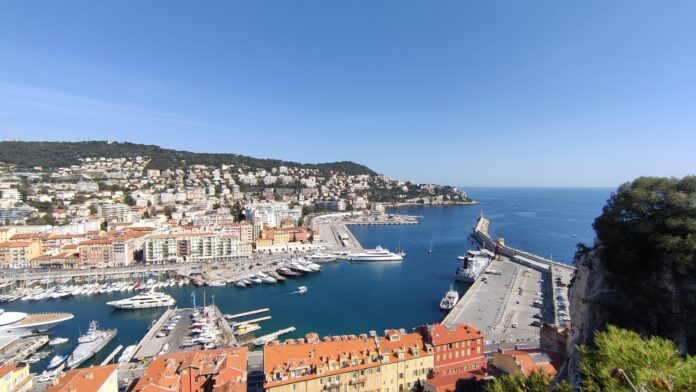
The last session of the Nice Port Council, scheduled for December 2, was held without the presence of the port’s professional representatives. This first was collectively decided. This gesture marks an open challenge to the management led by the Nice Côte d’Azur Metropolitan Authority, owner and manager of the site. The economic players describe a stalemate situation, fueled by decisions deemed unilateral and a dialogue that has become nonexistent.
The professionals of the Nice port refused to sit at the table during the Port Council on December 2. This decision is part of a context of growing tensions since the takeover by direct management by the Nice Côte d’Azur Metropolitan Authority. The exchanges have deteriorated over the months. Repeated warnings would have been addressed to the management of port and maritime activities. These messages describe the effects of a policy deemed disconnected from the operational realities of the port. None of these remarks has received a satisfactory response according to the economic representatives.
The first point of friction concerns the policy of welcoming passenger ships. A marked increase in fees has been decided. This increase is based on the creation of a tax presented as “environmental.” TheMetropolitan Authority uses the “polluter pays” principle. Professionals question the legality of the measure and denounce the absence of a preliminary impact study.
Another sensitive topic is the project of restaurant terraces on the quai des Deux Emmanuels. The project would occupy traffic lanes used daily for commercial port operations. Economic representatives point out significant safety risks, particularly during ferry boarding operations or cargo transit. The presence of terraces would create conflict zones of use between commercial and logistical activities.
The issue of planned investments also feeds a lasting discontent. The cost of the future on-dock electrical connection system (CENAQ) is expected to reach 29 million euros. This level of investment far exceeds the standards of comparable commercial ports. Professionals fear direct repercussions on passenger fees. According to communicated estimates, the creation of the environmental tax linked to this project would cause an increase of up to +300% by 2026. A prospect deemed incompatible with the economic stability of the sector.
Finally, a central criticism focuses on the lack of consultation. Economic representatives denounce “unilateral decisions,” with no structured preparatory meetings or in-depth exchanges on strategic choices. The concerned stakeholders describe a method that bypasses the very spirit of the Transport Code, supposed to guarantee shared governance.
A clear break in port governance
A new Port Council was then urgently scheduled for December 4 at 5:30 pm. The announcement was made within deadlines considered non-compliant with regulatory rules. Professionals mention the possibility of legal actions due to this additional irregularity.
Despite the tension, several proposals have been made by the economic players. These contributions have been submitted to the Metropolitan Authority, but no consideration has been noted at this stage.
The professionals are asking for the integration of the Sustainable Cruise Charter. This document, signed nationally, proposes an incentive pricing logic for companies committed to reducing their impacts. Representatives also request the integration of the future contours of the inter-prefectural decree on hosting cruise ships. Another element: the new environmental tax of +15 euros per passenger, adopted in the Senate and still unclear, must be part of the parameters before any local rate redefinition. There is also a request for a risk assessment related to the projected terraces. Professionals wish for a clear opinion from the safety commission and the competent authorities.
These different elements remain ignored in the preparation of the next Port Council. This observation fuels a feeling of sidelining.
Economic players reaffirm a call for dialogue. The announced objective remains the search for a more balanced operation. The port of Nice represents a strategic activity area for the city, for maritime companies, and for users. Professionals demand management based on consultation, transparency, and consideration of operational constraints.
They reiterate their position: a port must remain dynamic, secure, and economically viable. The development of the port area must be built in compliance with the rules provided by law and by the Transport Code.


