
This “wild west” style attack, far from the polite language of diplomacy, at least has the merit of clarifying what to expect from the United States under Trump.
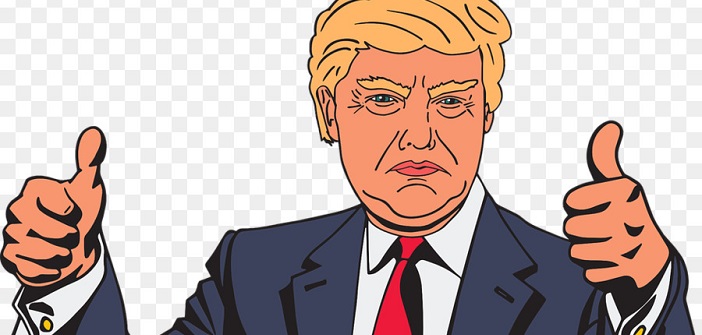
Donald Trump, barely back in Washington, trashed his Parisian weekend host, Emmanuel Macron, with a barrage of fiery tweets.
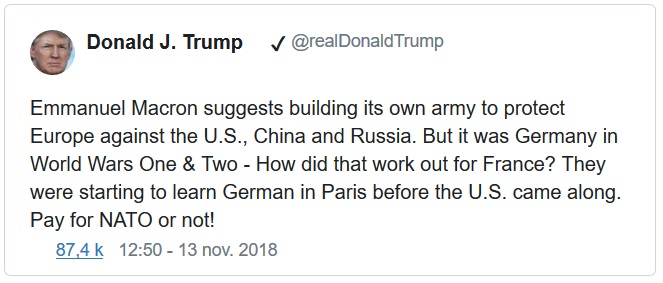
To the subtle jabs from the Frenchman on Sunday, regarding the “nationalism” recently claimed by his American counterpart, he responded brutally. To the foil, he answered with a gun.
Bitingly critical (on Macron’s declining popularity), humiliating (about the French learning German before the Normandy landing), ironic (by retaking his campaign slogan—Make America Great Again—which the Frenchman had himself twisted), and finally threatening: French wine is now in his sights, just as German cars were a few months ago.
France will be only a simple partner with whom this businessman will either make deals or fight. Another lesson to be drawn: alone, France will not hold its own.
Suddenly, we very concretely measure the stakes of the European elections.
“What Mr. Trump says is not insulting. It’s true,” contented himself by declaring the Nice MP Eric Ciotti, while other elected officials—including the opposition (excluding LR)—shared their indignation in the corridors of the National Assembly.
Without being a patriotic Gaul with the rooster stamped on the chest, what to think of this right-wing demagogy, cloistered in a nuance-less opposition, incapable of distinguishing between the politician and the “villain”?
Especially since at the time when the French—following Donald Trump’s indecent expression—were “learning German,” neither Emmanuel Macron (nor Eric Ciotti) were born. So, it’s indeed to the French people—at least metaphorically speaking—that the “villain” wanted to address.
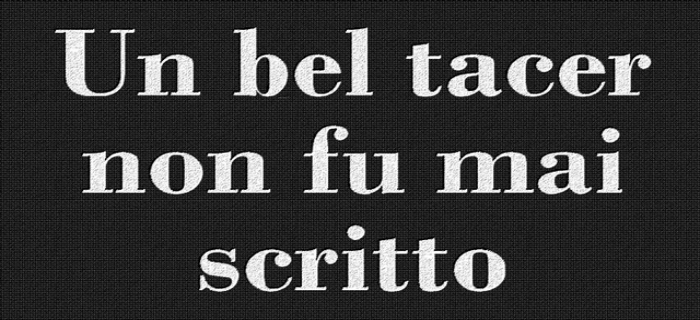
This is what should have advised Eric Ciotti, a deputy of the nation, to apply to himself the sonnet—in classic Italian—by Dante (Divine Comedy – Paradise, V) “Lo suo tacere e ‘l trasmutar sembiante puoser silenzio al mio cupido ingegno” which originated the popular proverb “a beautiful silence has never been written.”
In fact, sometimes, isn’t it better to remain silent?


