
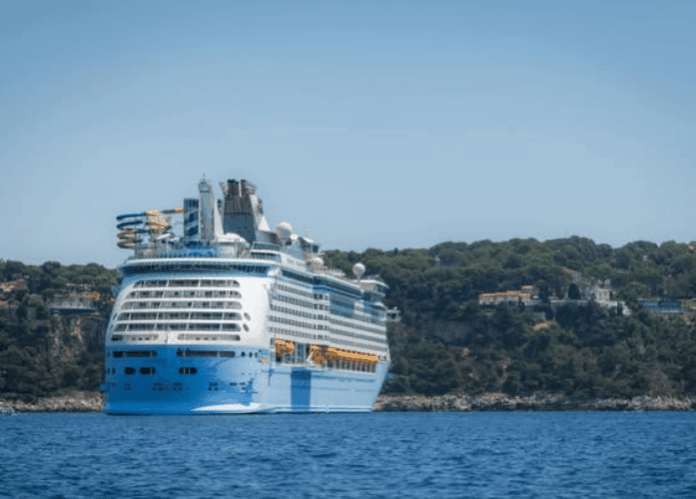
After several confrontations between the Prefecture and the Nice Côte d’Azur Metropolis, an inter-prefectural order comes into force. It sets clear limits for cruise ship stopovers. Announced objective: to reduce the impact of tourist flows while preserving maritime activity.
The institutional conflict lasted several months. The State today puts an end to the regulatory uncertainty surrounding the reception of cruise ships in the Alpes-Maritimes. On December 9, the prefect of the Alpes-Maritimes and the maritime prefect of the Mediterranean signed an inter-prefectural order. It now regulates all cruise stopovers in the department. This order applies to the ports of Nice, Villefranche-sur-Mer, Beaulieu-sur-Mer, and Cannes.
This is the conclusion of a long cycle of consultation initiated following summer tensions. In July, a first discussion brought together local authorities, port authorities, and economic players. A technical working group followed, before a plenary session in October. The draft order was then submitted to public consultation and presented to the CODERST, which issued a favorable opinion. The prefecture emphasizes that this approach constitutes “an unprecedented initiative.”
From now on, the rules are set and immediately applicable for all new stopover requests. They meet several objectives: control of flows, environmental protection, infrastructure management, and visibility for operators.
The text imposes two cumulative limits for disembarkations. The annual average must not exceed 2,000 passengers per day of stopover. And a maximum ceiling of 3,000 passengers applies for simultaneous disembarkation, “regardless of the number of ships in port.”
The number of ships per port is also regulated. Only one cruise ship carrying more than 1,300 passengers can disembark per day and per anchorage area. In July and August, the limit is 15 ships per month for this category. These restrictions do not apply to docked ships.
The order also introduces a priority for companies adhering to the Sustainable Cruise Charter in the Mediterranean. This document sets 20 commitments related to reducing discharges, atmospheric emissions, or noise pollution, as well as protecting biodiversity. The State reminds that signatories obtain priority in stopover scheduling. Companies are encouraged to adopt less polluting fuels and to raise passenger awareness.
Specific provisions apply in case of atmospheric pollution. The prefects can reduce emissions within three nautical miles of the coast. They can also cancel stopovers if the alert level is high. The harbor authorities must report any abnormal smoke emissions. The Interregional Directorate for the Sea may require corrections. A prefectural instruction will soon specify the implementation procedures, notably the passenger count.
The end of six months of debates
These new rules are set in a context marked by oppositions between the State and the Nice Côte d’Azur Metropolis. In July, a metropolitan order attempted to limit the access of Villefranche port to ships with fewer than 2,500 passengers. The prefect took legal action. The administrative court then recalled that “only the prefect can, under his police authority over the water plan, organize the entries, exits, and movements of ships.” The metropolitan order was suspended.
A round table was subsequently organized on July 11. It brought together elected officials, maritime professionals, consular chambers, and cruise companies. The Metropolis was not represented by its president but had “assured its adherence to the consultation process.”
The inter-prefectural order now aims to establish a stabilized framework. The State aims to avoid locally judged unilateral decisions and provide visibility to operators, whose schedules are planned long in advance. The azure ports welcome each year a significant traffic of cruise passengers. According to Metropolis estimates, the restrictions envisaged this summer would have affected nearly 200,000 passengers in 2026.
The new system seeks a balance. It takes into account the quality of life of residents and tourism issues. For the authorities, the objective is clear: to regulate without blocking, and ensure a coherent approach at the departmental level. The coming months will reveal whether this new framework sustainably eases tensions between institutions and sector players.


