
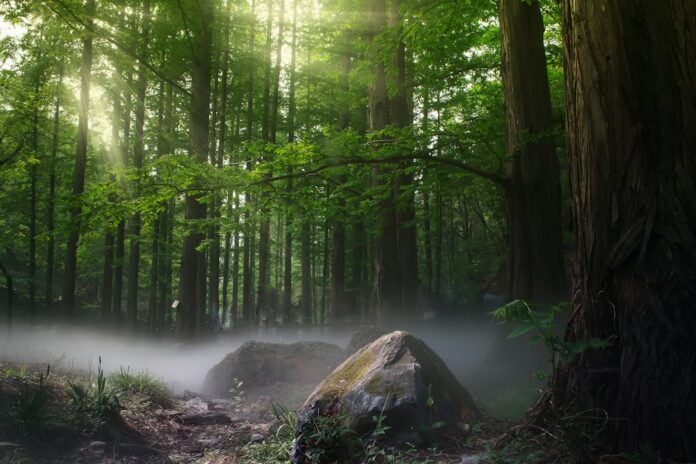
One hundred municipalities are now subject to water restrictions. Drought is hitting the watercourses and forests of the Alpes-Maritimes department, damaging biodiversity: which should alert citizens.
Dry rivers, overheated waters, threatened wildlife, the watercourses and forests of the department are dying. The drought is of particular concern to the prefect, Jean-Marie Girier, who convened this Thursday, August 13, the water resources committee.
The findings are clear-cut: the biodiversity of the Alpes-Maritimes is extremely fragile. Beyond the restrictions affecting residents and 650,000 tourists over the August 15 weekend, drought is affecting the ecosystem of the Alpes-Maritimes.
Heat threatens rivers
The most significant impact is on watercourses and the increase in their temperatures. 53% of watercourses in the department are dried up (total or partial drying of a watercourse, editor’s note) or experiencing flow disruption, compared to 43% nationally. The average daily flow of the Loup watercourse dropped from 741 l/s in mid-June to 258 l/s on August 5, placing it just a few decimals away from crisis status.
René Bonvallat, an agent of the French Biodiversity Office (OFB: editor’s note), stresses that the increase in summer temperature is the primary impact of weak watercourses.
The summer of 2026 is experiencing a heat wave longer than the one in 2003. This greatly compromises waters in the Alpes-Maritimes. This is the case for the Siagne, in the Riou de l’Argentière sector, which has no watercourse running through it for three months.
Furthermore, if a watercourse still exists, river temperatures must be between 4°C and 19°C. Below or above that, the species stops feeding. The environmental police clarify: “If the temperature reaches 25°C, it is considered a lethal temperature for trout.“ At La Lavenza in La Brigue, the water reached a peak of 30.6°C. The fishing federation organized an emergency rescue of 1,500 trout to cooler areas in the Roya.
René Bonvallat emphasizes the suffocation that biodiversity is experiencing in the department. For him, it does more than reduce their life cycles, “it’s like going from a 120 m2 room to a 9m2 room with 5 people in it.”
Thirsty forests, struggling animals
The weakened water flow also prevents the dilution of organic pollution from treatment plants. Water quality is deteriorating, and algal blooms develop that consume oxygen at the expense of biodiversity.
The entire terrestrial ecosystem is therefore affected. “The decline in water resources has an impact on many species groups,” recalls the OFB. These are water sources for mammals living in forests and essential hunting territories for their survival.
The disappearance of water points forces animals to move abnormally. Their natural cycles and reproduction are disrupted. The summers of 2022 and 2023 saw very low wild boar reproduction due to severe drought, recalls René B.
The new prefect of the Alpes-Maritimes therefore insists on respecting the restrictions imposed on the 100 municipalities. These actions aim to slow down the drying up. He specifies that there is “one dried-up watercourse out of two in the department” […] “the longer this lasts, the more significant the impact on biodiversity will be”. The goal is clear: preserve what can be preserved in the department to save its nature. Both in its resources and in its biodiversity.
NicePremium is a free, independent local news outlet.
Help us keep going by supporting our work from €5 per month.


