
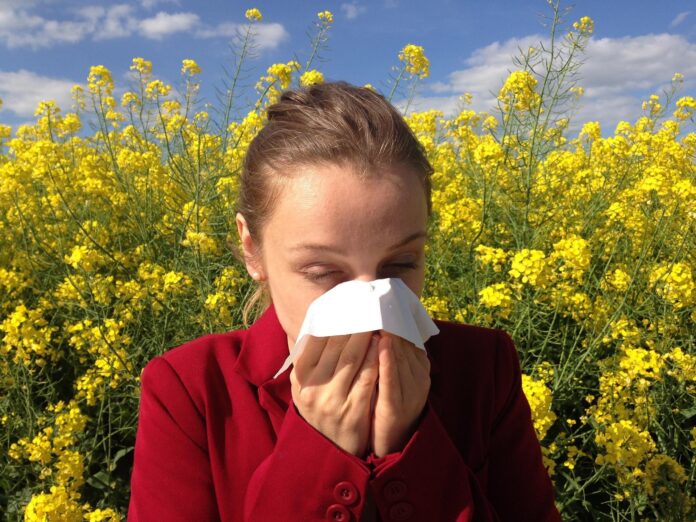
The pollen risk has reached a very high level in Nice at the end of February. Atmosud reports a first episode marked by a high concentration of cypress and alder pollen. No improvement is expected in the coming days.
The pollen risk is very high in Nice, according to AtmoSud on Tuesday, February 24. A situation expected to persist for several more days. The air quality observatory in the Provence-Alpes-Côte d’Azur region is triggering a level 6 out of 7 index for one species: cypress.
The week of February 23, 2026 marks the beginning of a sensitive period for many residents. After several days of bad weather and unusual humidity, sunshine has settled over the Côte d’Azur. The weather has become dry again. Temperatures are higher. Wind remains notable. These conditions favor pollen release.
Cypress and alders responsible
Cypress and alder pollen are responsible for this episode. Cypress trees, very present on the Azur coast, including in urban areas, release significant quantities of grains into the air. Rising temperatures and good sunshine have favored this spread.
Cypress pollen represents the leading cause of allergies in the region. Nearly 75% of allergy cases are linked to this tree. The concentration reaches high or very high levels. The very high pollen risk index (6/7) is triggered this week for cypress by the regional observatory.
Alder shows a high risk index (5/7). More visually discreet, this tree is among the first to release its pollen in winter. Cypress and alders release significant quantities of pollen into the air. Other species currently remain at low or very low levels in Nice.
Pollen risk index in Nice:
- Ragweed: Very low
- Mugwort: Very low
- Alder: High
- Birch: Very low
- Grasses: Low
- Olive: Very low
- Cypress: Very high
Pollen from these plants can cause well-known allergic symptoms. Rhinitis, conjunctivitis, cough, breathing difficulties, asthma attacks, unusual fatigue—for allergic individuals, the most difficult period of the year is beginning.
Some residents are returning to tissues and nasal itching after several calmer months. The return of fine weather and the approach of spring go hand in hand with pollen. Regions known to be warmer, such as Provence-Alpes-Côte d’Azur, are particularly exposed.
The number of people with allergies is increasing. At the end of the 1960s, less than 4% of the world population had an allergic disease. In 2026, almost 30% of the population is affected according to the Health Ministry. This increase is also observed in the southern part of the country.
No improvement is expected by the end of the week. The mild weather forecast for Nice should prolong this risk. An increase remains possible for the most sensitive individuals.
Recommendations to limit exposure
To limit the risk of pollen exposure, several recommendations are being issued. Avoid contact with any respiratory irritants such as tobacco, perfumes, or aerosols. Ventilate the home before 10 a.m. and after 7 p.m. Close windows during the day when concentration increases.
Other measures can reduce exposure: wear sunglasses outdoors, avoid intense physical activities in parks and gardens, prefer outings early in the morning, wash your hair in the evening so as not to bring pollen residue onto the pillow, and use saline solution to rinse the nose and eliminate accumulated grains.
All recommendations are available via the dedicated page of the Regional Health Agency. The pollen index is distributed daily for all municipalities. The pollen risk for each municipality can be consulted on the AtmoSud website. Monitoring and information regarding pollen are provided by Approved Air Quality Monitoring Associations.
In Nice, this first episode marks the beginning of a closely monitored season. The coming days are expected to be sensitive for people with allergies. Vigilance must be maintained as long as weather conditions favor pollen dispersal.
NicePremium is a free, independent local news outlet.
Help us keep going by supporting our work from €5 per month.


