
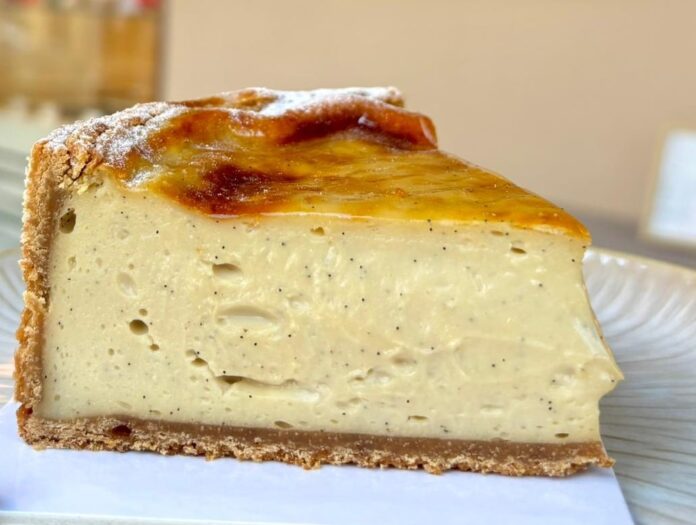
Vanilla flan originated from a simple medieval cream before becoming a gourmet essential. Today, it reinvents itself in many forms and remains a dessert as simple as it is demanding.
In the Middle Ages, flan appeared as a simple cream based on milk and eggs. In the 18th century, with the arrival of sugar and vanilla imported by the colonists, this preparation evolved and became the vanilla flan we know today: the pastry flan, also called Parisian flan.
Today, it stands as an essential part of French gastronomy. Its recipe, both simple and economical, captivates with its deep, comforting, and intensely gourmet taste.
The flan vanilla comes in many forms to satisfy all palates: with or without crust, on a shortcrust or puff pastry base, with a runny, creamy, or firm texture, a delicate or more intense taste. It also reinvents itself with different flavors like chocolate, praline, pistachio, or coffee, and even rises to the rank of high-end dessert in the hands of great pastry chefs.
So appreciated that it has become a true star of gourmet routes and culinary competitions!
In short, a classic dessert… but far from ordinary. And above all, an apparent simplicity that conceals a true challenge for pastry chefs in search of perfection.
The flans tasted in Nice
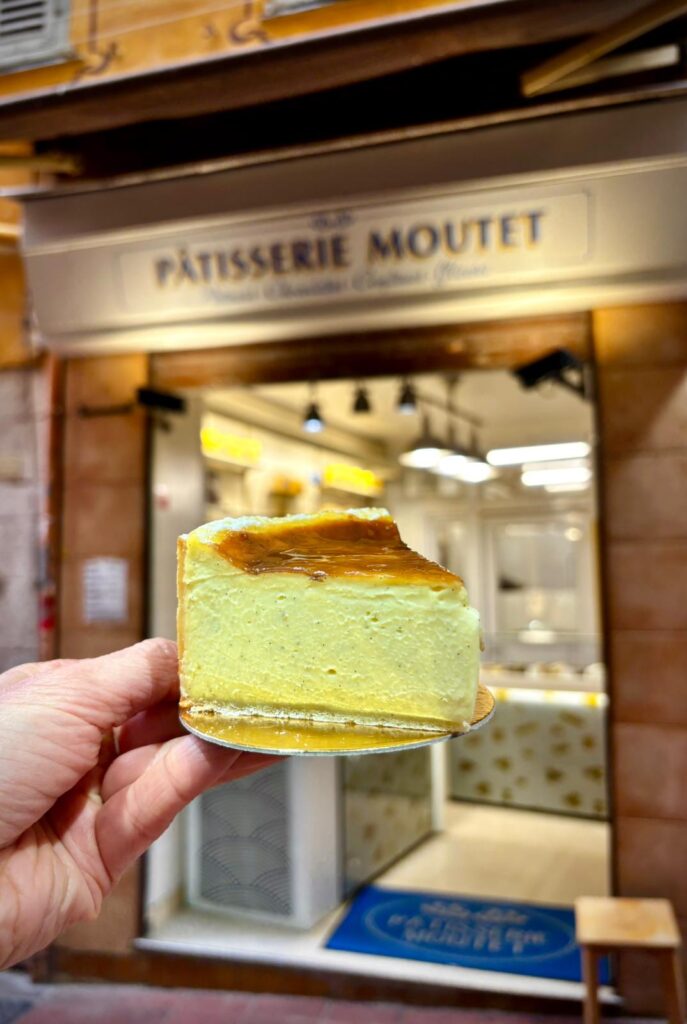
Pâtisserie Moutet: fine and delicate
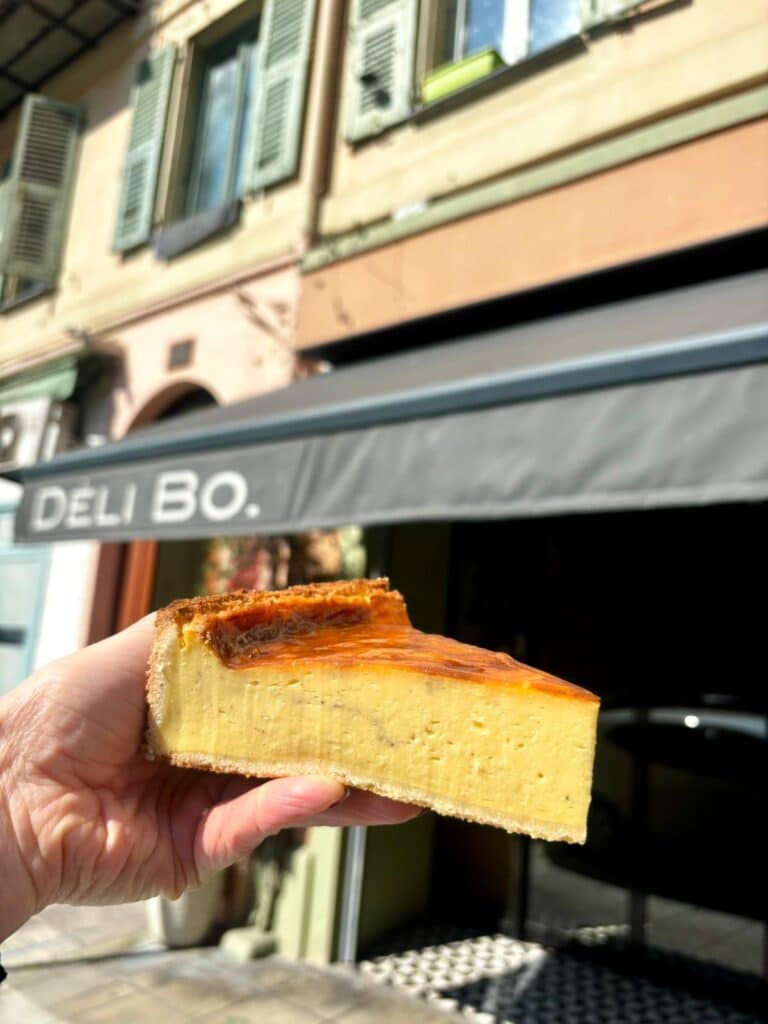
Pâtisserie Deli Bo: thick and gourmet
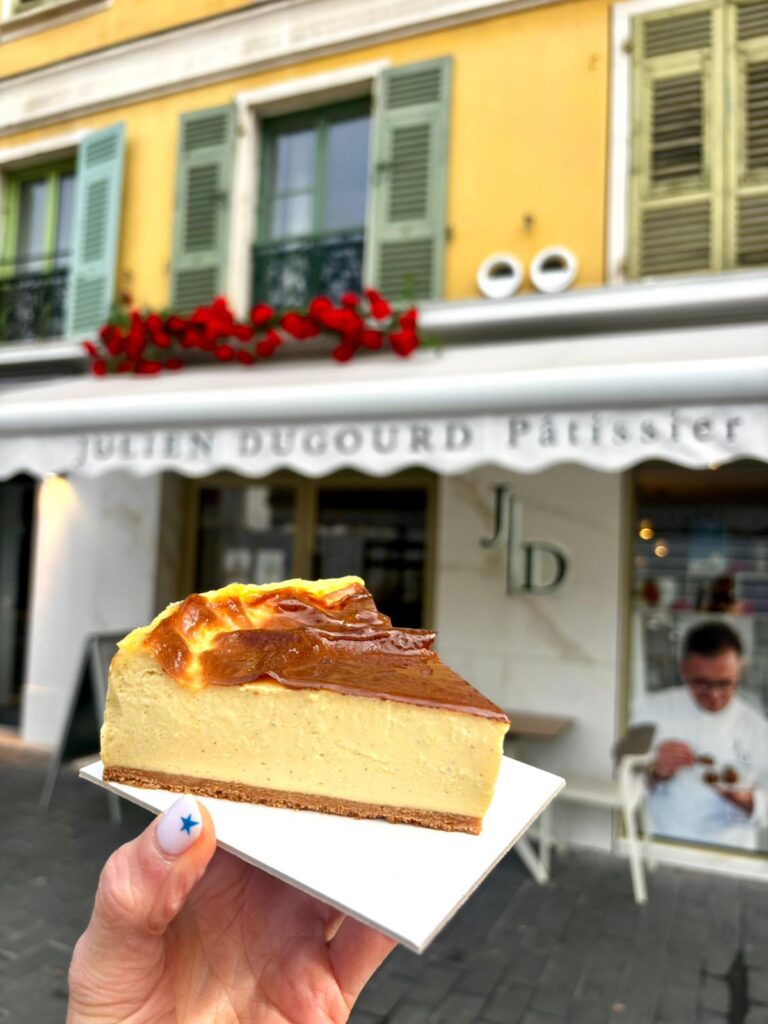
Pâtisserie Julien Dugourd: elegant and light
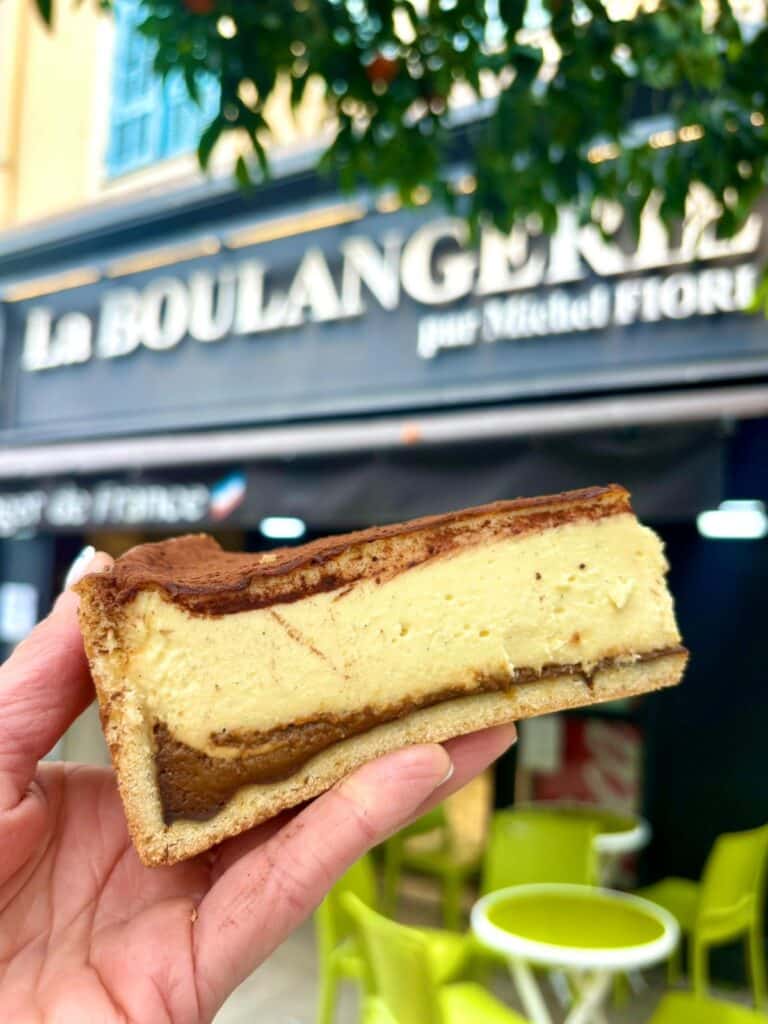
Pâtisserie Michel Fiori: revisited tiramisu
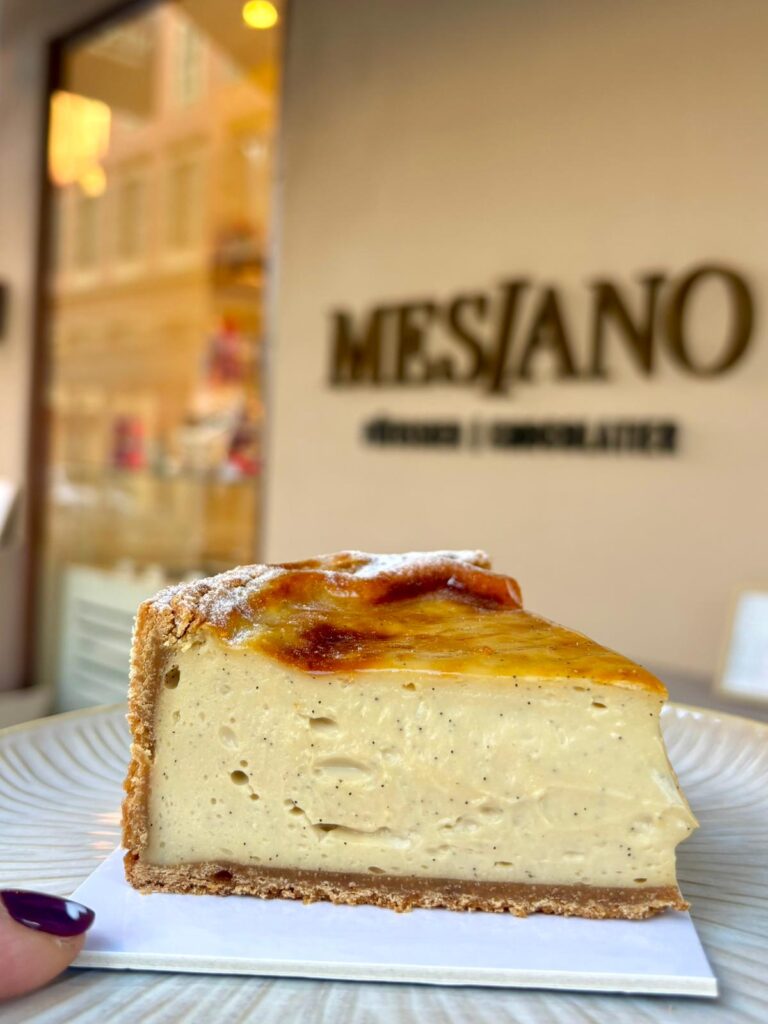
Pâtisserie Patrick Mesiano: smooth and coconut sugar
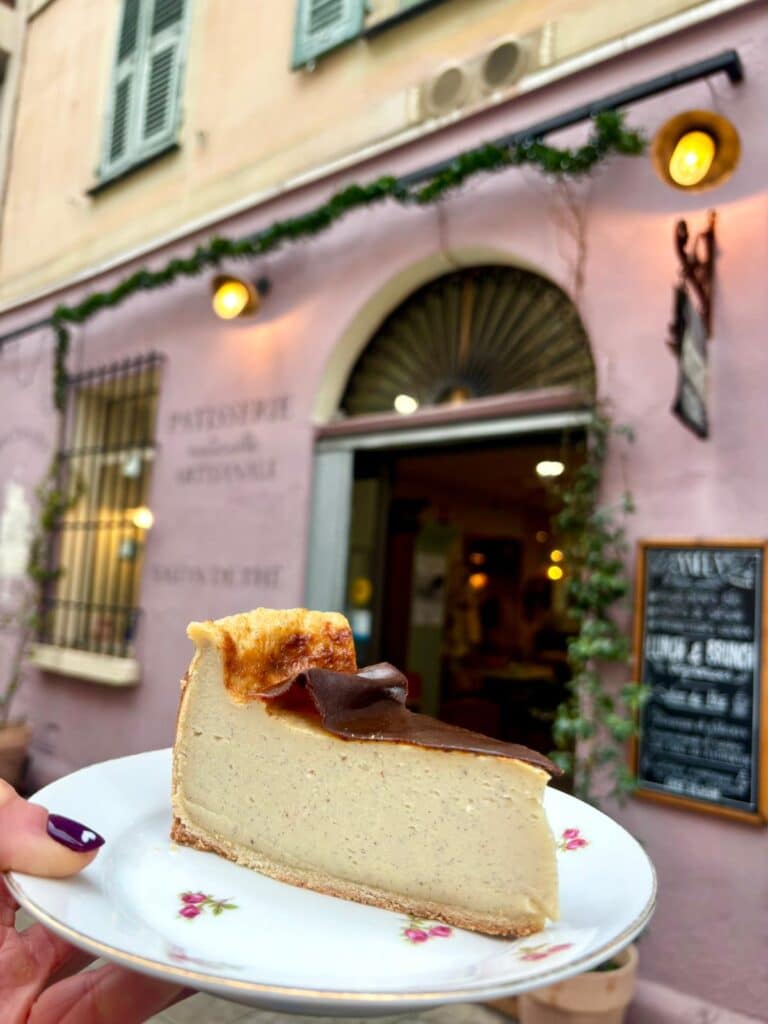
Pâtisserie Mela: intense and gluten-free
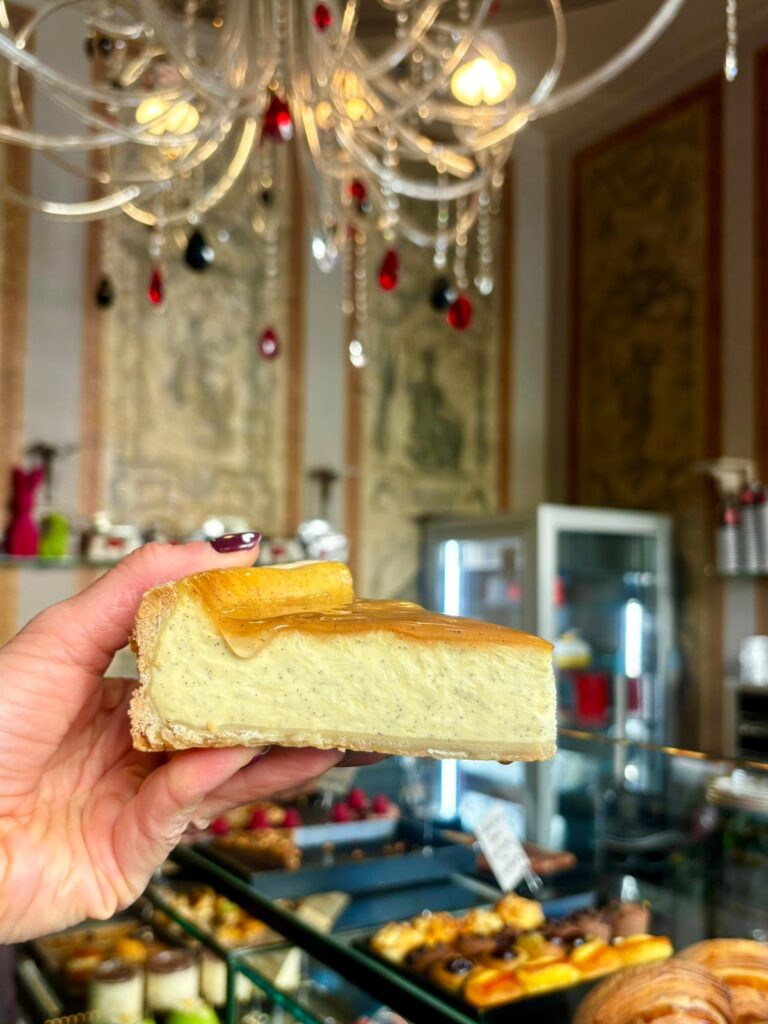
Pâtisserie Canet: vanilla trio Madagascar, Papua, Réunion
Boulangerie Bordonnat: runny
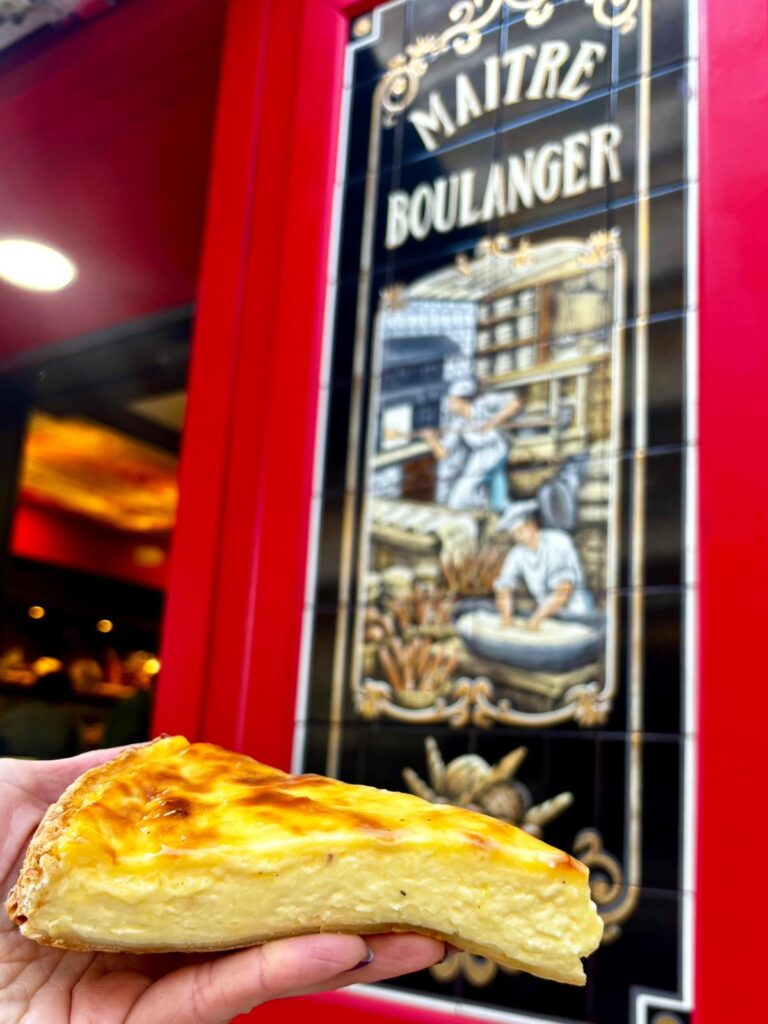
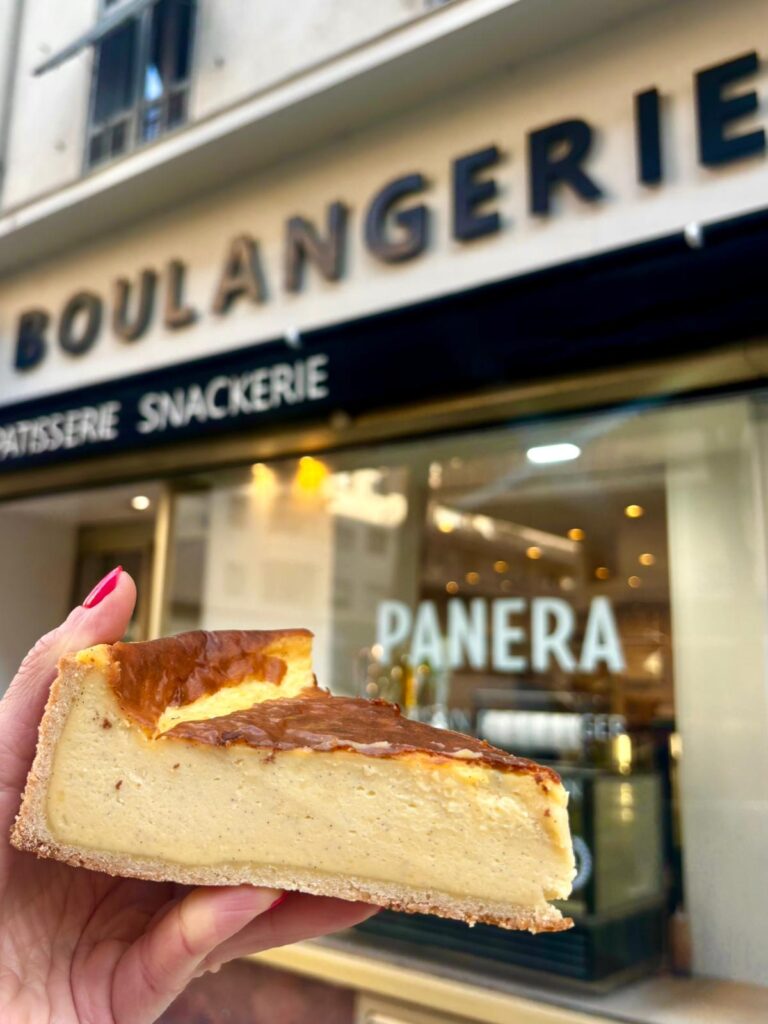
Boulangerie Panera: comforting
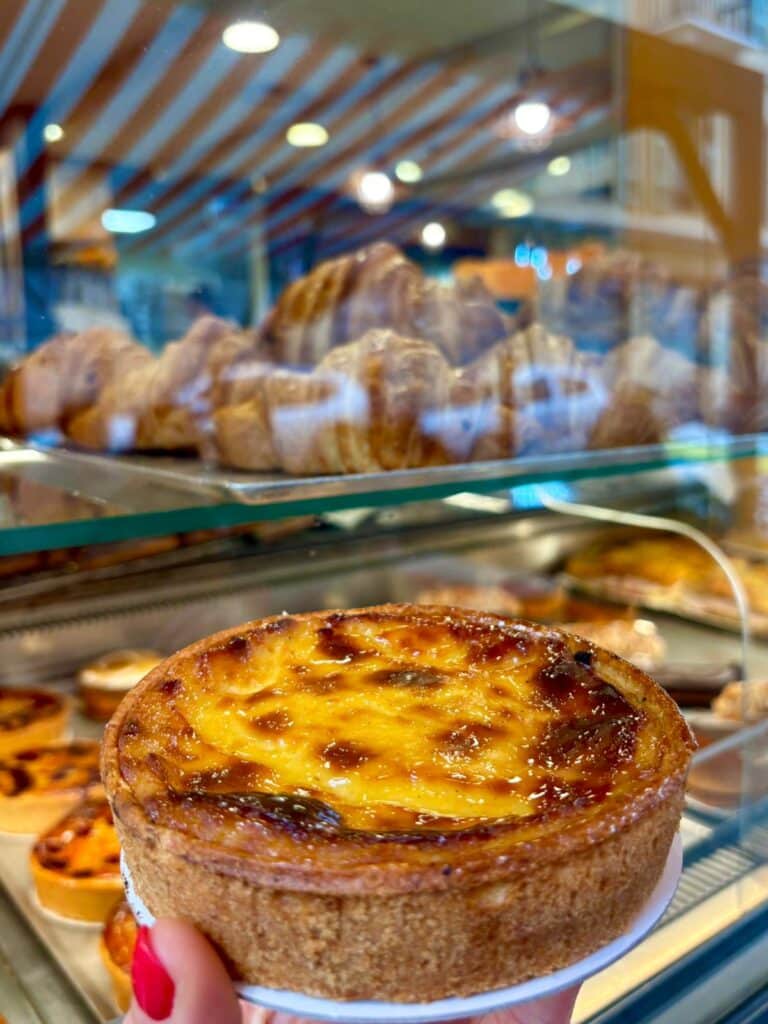
Boulangerie La Niçoise: tart-style
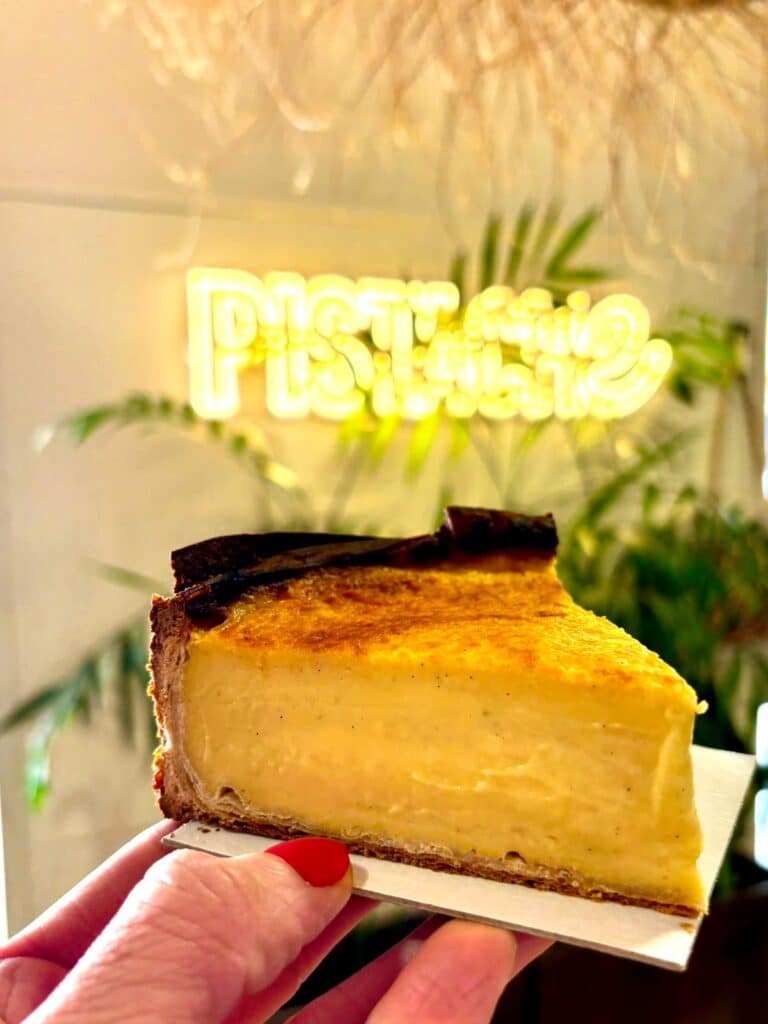
Pâtisserie Pistache: creamy
NicePremium is a free, independent local news outlet.
Help us keep going by supporting our work from €5 per month.


